date: 2025-10-1
Click here to return to the index file for this category.
Introduction
“Reptiles are survivors; they carry with them the history of ancient worlds.” — Adapted from Karl P. Schmidt (herpetologist)
Habitats
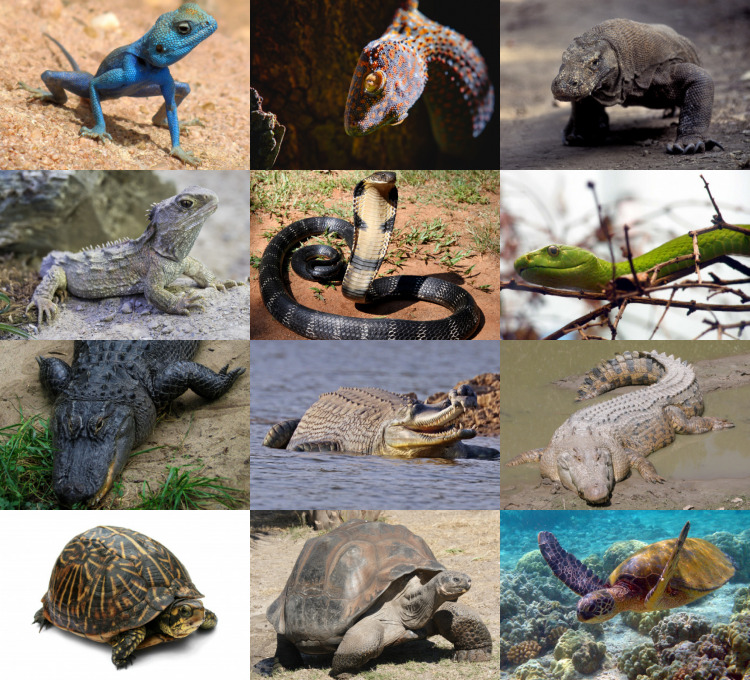
Reptiles normally live in wet areas, deserts, and forests. These habitats allow some to camouflage in their surroundings, which enables them to more easily catch their prey that live in these regions, such as amphibians.
Adaptations
These creatures are able to thrive in such environments for many reasons. Dry, rough, and bumpy skin allows these creatures to live in environments where there is limited water. Their ability to lay eggs also provides food for the parents and other creatures. Certain reptiles are also equipped with sharp teeth, poison, or shells, which enable them to adapt to their environments.
Below are reptiles discussed in detail:
- Black Mamba:
- Length: 8-14’.
- Weight: Around 4 lbs.
- Location: Southern parts of Africa such as Kenya and Zaire.
- Adaptation:
- This creature survives in its habitats by waiting for its prey patiently and using its venom to paralyze them.
- Food: Birds and mammals
- Amazing Fact:
- In the past, being bitten by this creature was always fatal until mamba antivenins were created.
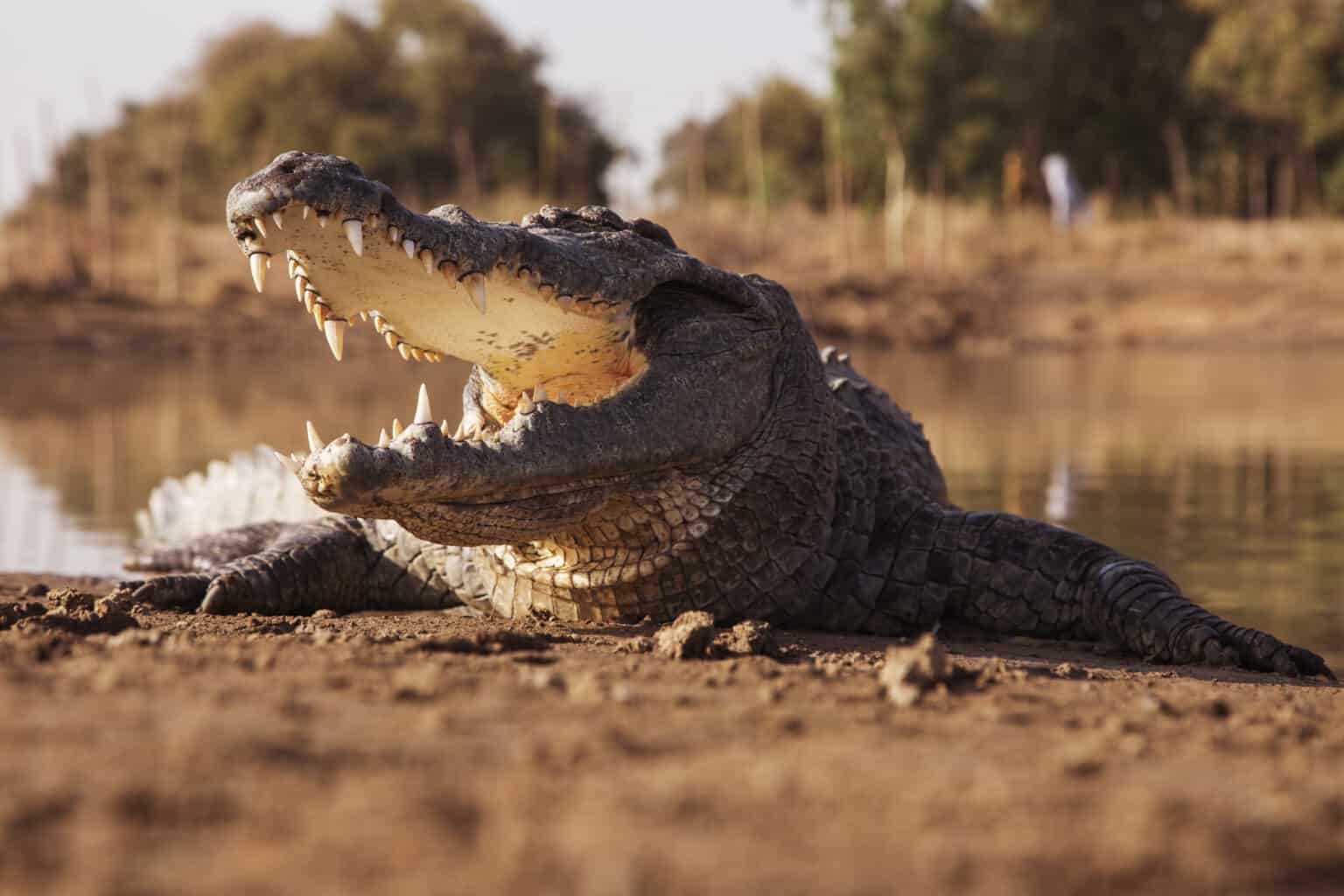
- Nile Crocodile
- length: up to 20’
- Weight: up to 2,178 lbs.
- Location: Found in central parts of Africa.
- Food: Eats various creatures such as fish, amphibians, and mammals.
- Amazing Fact:
- Even though these creatures are huge, there eggs are around 2” long.
Summary
Reptiles are rough-skinned creatures that live in forests, deserts, swamps, and other environments. They are equipped with special skin allowing them to live in diverse environments. These are amazing creatures that live in Africa. Amphibians have the opposite blood type.