date: 2025-10-1
Click here to return to the index file for this category.
Introduction
“The greatness of a nation and its moral progress can be judged by the way its animals are treated.” — Mahatma Gandhi (often applied broadly, including mammals)
Mammals are warm-blooded animals that live in the Americas. They are distinct from other animals because of their hair and fur. In this section, mammals’ habitats and adaptations are explored.
Habitats
These creatures, unlike others, are not as limited to their environments. They are able to live in forests, grasslands, tundra, wetlands, rainforests, and mountains. Since these creatures live in various environments, they use their diverse abilities to survive.
Adaptations
Mammals that live in grasslands either eat vegetation, fruit from the trees, or other animals in the fields. In forests, mammals live either in the trees or by the trees. In swamps and tundra environments, mammals can eat and live underwater and on land.
Animals
Below are multiple mammals that live and adapt in the environments discussed above:
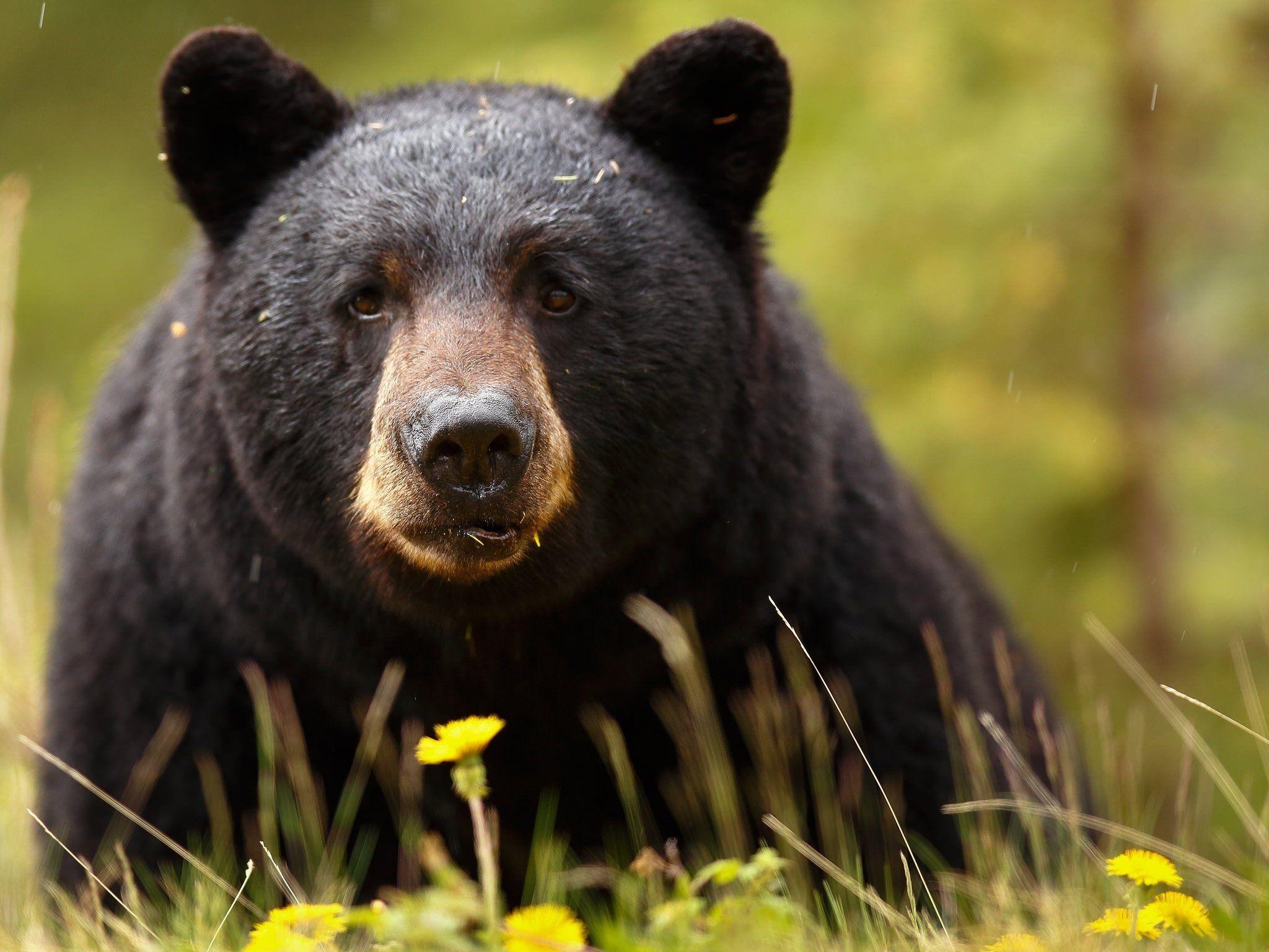
- Black Bear:
- Size: 5-6’.
- Weight
- Males: up to 253-954 lbs.
- Females: up to 220-308 lbs.
- Location: Central part of North America.
- Food: Plants, berries, fruits, and mammals are what this creature eats.
- Amazing Fact:
- The bear can temporarily travel at 24 mph for short ranges.
- Jaguar
- Size: 3-4’.
- Weight:
- Males: 100-250 lbs.
- Females: 70-170 lbs.
- Location: South America forest (e.g. Amazon Rainforest)
- Food: Eats various mammals and reptiles such as snakes and turtles.
- Amazing Fact:
- The largest cat in South America
Summary
Mammals have a wide range of locations and abilities. They can live in nearly every environment and are warm-blooded creatures. The Americas are rich in a diverse selection of mammals.